
経済社会理事会(ECOSOC)開発事業活動セグメント QCPRに関する国連事務総長報告書についてのハイレベル会合における山﨑大使ステートメント
令和8年6月1日
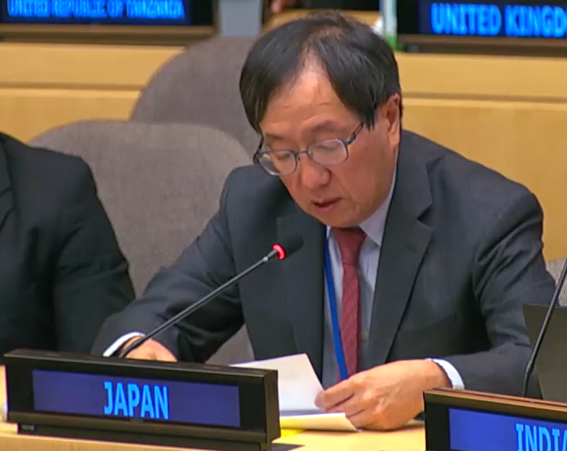
We echo the Secretary-General’s Report in emphasizing that UN development system needs recalibration, as national circumstances and needs diversify. Japan consistently puts SDGs as a global guiding principle and considers the RC system as a means of strengthening the effectiveness and coherence of the UN development system. In this regard, I would like to point out the following three elements to operate the RC system.
First, the challenges countries face are complex and varied. The necessity for the RC’s role also differs by country. What is required is flexibility to respond to each country’s needs, including how RCOs are configured, not a fit-for-all format. Reform measures such as regional reset and country-team configuration should reflect the respective needs on the ground, while appropriately rationalizing the system.
Second, it is essential to enhance the RC’s coordination and brokering role for the UN system-wide effectiveness and efficiency. The strength of RC system should lie in providing host country with expertise and support they need across and beyond the UN system. As agencies review their field presence, the RC system should help address duplication and excessive competition, while preserving each entity’s mandate.
Third, the goal of strengthening the RC system should be clearly defined. In this regard, such crosscutting concepts as HDP nexus and human security must be recognized as guiding principles for the RC system.
In conclusion, Japan will remain a constructive partner in ensuring that the RC system and the UN Development System evolve in an effective way that delivers tangible value on the ground through UN80 process, and the development continue to be one of the pillars of the United Nations.
I thank you.