
Statement by H.E. Ambassador YAMAZAKI Kazuyuki, Permanent Representative of Japan to the United Nations, at the PBC Ambassadorial-level formal meeting on the Annual Report and Election of Officers
2026/1/29
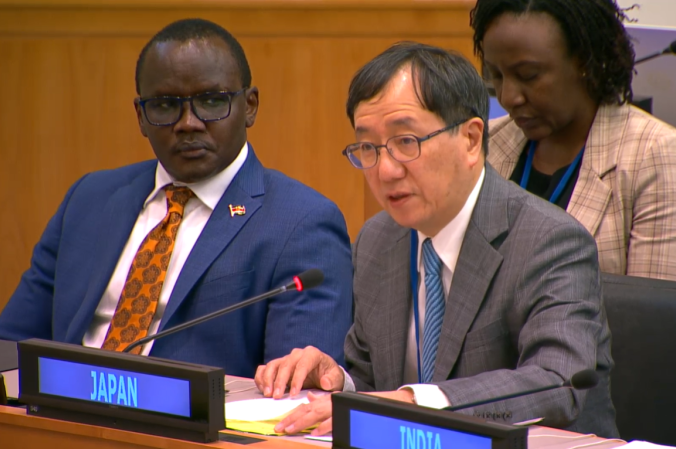
(As delivered)
Thank you, Chairs.
It has been a great honor and privilege to serve the PBC as Vice-Chair, alongside Brazil, Morocco, and Poland, under the able chairship of Ambassador Ricklef Beutin, and his predecessor, Antje Leendertse. We commend Germany’s steady leadership over the past year and also wish to express our sincere appreciation to Assistant Secretary-General Spehar and her dedicated team for their tireless efforts in supporting the work of the Commission.
Today, I would like to warmly welcome the new Chair, Morocco, under the leadership of Ambassador Omar Hilale, and four vice-chairs just elected. We look forward to working constructively and proactively with all of you this year.
The Peacebuilding Architecture Review (PBAR) resolutions adopted last year highlighted Member States’ expectations for the PBC to generate greater impact as an effective and efficient multilateral platform, particularly as conflict drivers become more complex and the fiscal space for peacebuilding continues to contract.
In this context, allow me to highlight three points.
First, as was emphasized in the PBAR resolutions, the PBC should continue supporting nationally owned conflict prevention efforts, in conjunction with peacebuilding. In recent years, a growing number of countries have presented their National Prevention Strategies to the PBC. Such practices demonstrate their commitment to prevention and help guide donors and UN entities in aligning their support behind nationally identified needs and approaches. To ensure such approaches address cross-cutting issues, the concept of human security is useful. Going forward, it will be important for the PBC to follow up on the progress and challenges in implementing these strategies. This would help identify resource gaps and enable the international community to better mobilize and realign assistance.
Second, the concept of HDP nexus remains highly relevant to the pursuit of sustaining peace, particularly through the lens of human security, which underscores the importance of building long-term resilience. Ensuring smooth transitions from humanitarian relief to development is fundamental in any peacebuilding effort. The PBC is uniquely positioned to take integrated approaches in supporting transitions from conflict toward sustainable development.
In this regard, the PBC’s advisory role to the Security Council remains an important tool to effectively support countries on the Council’s agenda to move beyond conflict and achieve lasting stability. We should continue to strengthen cooperation between the two bodies so the PBC can provide timely and substantive advice through a range of modalities.
Third, Japan welcomes the reference in the PBAR resolutions to the PBC’s convening power in facilitating partnerships for peacebuilding. Achieving peace requires a coordinated approach. By bringing together relevant partners, the PBC can help bridge their respective activities for greater coordination and synergy. Moreover, the PBC can serve as a platform to explore improved modalities for their partnerships and collaboration as well as raise awareness to secure adequate funding and political support.
Japan always places importance on strengthening collaboration between the PBC and IFIs. In this light, as Vice Chair, Japan helped organize a PBC meeting with the Asian Development Bank last July. We hope that the PBC will continue extending such outreach efforts.
In closing, Japan reiterates its steadfast commitment to continue contributing to the work of the PBC.
I thank you.