Statement by H.E. Ambassador UMETSU Shigeru, Deputy Permanent Representative of Japan to the United Nations, at the United Nations Security Council Arria-formula meeting on "A Decade of Resolution 2286: Protecting Medical Care in Conflict Amid Evolving Threats"
2026/5/5
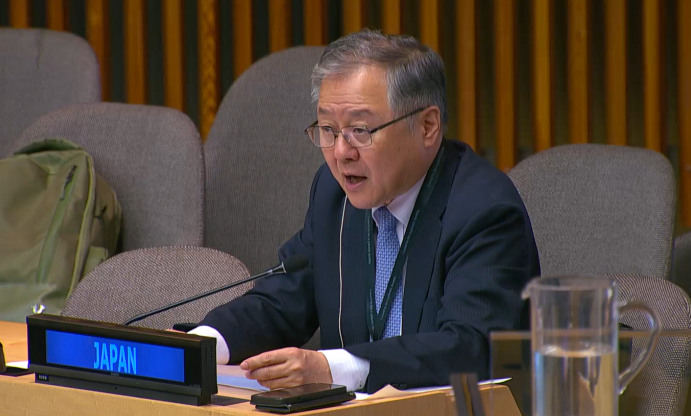
(As delivered)
Thank you, Mr. Chair.
I thank Denmark, New Zealand, and Spain for convening this meeting and the briefers for their sobering remarks.
This year marks ten years since the adoption of Security Council resolution 2286, for which Japan served as co‑penholder. Yet, attacks on healthcare persist in record numbers.
According to the latest Secretary‑General’s report, more than 900 healthcare facilities were damaged or destroyed in 2024, with over 870 healthcare workers killed across 20 conflict‑affected countries.
The persistence of such attacks underscores the need to translate our shared commitments into concrete action. Japan calls on all parties to armed conflict to respect international law, including international humanitarian law, and take all measures to protect healthcare personnel and facilities. We also call for greater engagement by the Security Council and Member States to strengthen implementation of Resolution 2286 and address accountability gaps.
Mr. Chair,
Guided by our commitment to human security, Japan continues to support access to healthcare on the ground, including through a 5.9 million USD contribution last year to the WHO to repair and restore healthcare services and facilities in Palestine.
Mr. Chair,
Japan reiterates the importance of strengthening measures to ensure accountability for violations of IHL and remains committed to working with the United Nations and partners to safeguard healthcare in armed conflict.
I thank you.
I thank Denmark, New Zealand, and Spain for convening this meeting and the briefers for their sobering remarks.
This year marks ten years since the adoption of Security Council resolution 2286, for which Japan served as co‑penholder. Yet, attacks on healthcare persist in record numbers.
According to the latest Secretary‑General’s report, more than 900 healthcare facilities were damaged or destroyed in 2024, with over 870 healthcare workers killed across 20 conflict‑affected countries.
The persistence of such attacks underscores the need to translate our shared commitments into concrete action. Japan calls on all parties to armed conflict to respect international law, including international humanitarian law, and take all measures to protect healthcare personnel and facilities. We also call for greater engagement by the Security Council and Member States to strengthen implementation of Resolution 2286 and address accountability gaps.
Mr. Chair,
Guided by our commitment to human security, Japan continues to support access to healthcare on the ground, including through a 5.9 million USD contribution last year to the WHO to repair and restore healthcare services and facilities in Palestine.
Mr. Chair,
Japan reiterates the importance of strengthening measures to ensure accountability for violations of IHL and remains committed to working with the United Nations and partners to safeguard healthcare in armed conflict.
I thank you.