
Statement by H.E. Ambassador MIKANAGI Tomohiro, Deputy Permanent Representative of Japan to the United Nations, at the Peacebuilding Commission (PBC) Ambassadorial-Level Meeting on national efforts for prevention and peacebuilding from Mauritania
2026/1/22
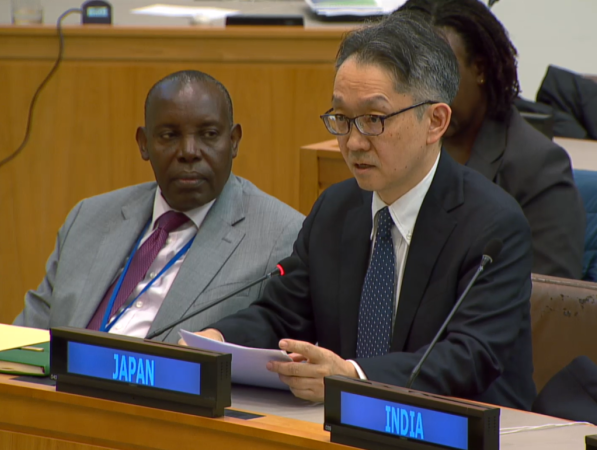
Thank you, Chair, for convening this important meeting today. I would also like to express my sincere appreciation to all the briefers for their valuable insights, in particular to H.E. Mr. Abdallah Souleymane Cheikh-Sidia, Minister of Economic Affairs and Development of Mauritania, for the presentation on the National Strategy for Peacebuilding and Social Cohesion.
As West Africa and the Sahel continue to face complex and interrelated challenges, including terrorism and violent extremism, the adverse effects of climate change, and political instability, Mauritania serves as an example of peace and stability in the region.
Based on this recognition, I wish to state the following two points.
First, Japan commends the longstanding efforts of the Government of Mauritania in peacebuilding and conflict prevention, as well as the launch of the National strategy presented today. We particularly appreciate the inclusive and holistic manner in which the strategy was formulated. Developed through extensive consultations with communities and with local and national institutions, the strategy addresses cross-cutting issues across the humanitarian-development-peace nexus. Japan firmly believes that a comprehensive approach to conflict prevention, peacebuilding, and sustaining peace and development, grounded in the concept of human security, is essential to addressing the complex and multi-faceted root causes of conflict. The approach that has been taken by Mauritania constitutes a good model.
Second, to enhance and accelerate the effective implementation of the strategy, partnerships among all stakeholders need to be further strengthened. In this regard, Japan appreciates the Peacebuilding Fund’s continuous support to Mauritania since 2018 and welcomes the renewal of Mauritania’s eligibility for PBF financing until 2029. Furthermore, we encourage Mauritania to continue leveraging the Peacebuilding Commission’s unique advisory, bridging and convening role, as demonstrated both today and in March 2024, to foster coherence and sustained engagement with stakeholders such as local and national actors, UN Country Teams, CSOs, IFIs, and Member States. The global attention and dynamics that Mauritania would mobilize could create a virtuous cycle to promote the country’s development.
Chair,
On its part, Japan has consistently supported the efforts of the Government of Mauritania in such areas as addressing environmental degradation and the impacts of climate change, strengthening basic social services including health and education, and advancing institutional and capacity building efforts.
To conclude, as Mauritania continues its pursuit of sustaining peace through the implementation of its National strategy, Japan remains committed to working closely with the Government, together with our international partners, including the UN Country Team under the leadership of the RC.
I thank you.