
Explanation of Vote by Mr. KAWAHARA Kazutaka, Minister, Permanent Mission of Japan to the United Nations, at the Plenary Meeting of the 80th Session of the General Assembly, Action on Draft Resolution “Declaration of the Trafficking of Enslaved Africans and Racialized Chattel Enslavement of Africans as the Gravest Crime Against Humanity”
2026/3/31
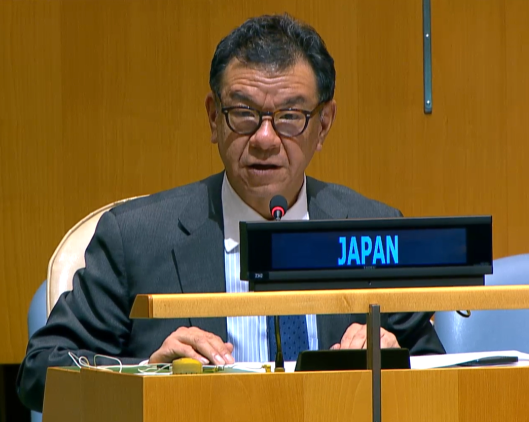
(As delivered)
Thank you, Mr. Chair.
Japan expresses its appreciation to Ghana and the African Group for their efforts in facilitating the consultations on this resolution. Japan recalls the suffering endured by victims of slavery and underscores the importance of ensuring that such horrific history is never forgotten. Japan recognizes that slavery and the slave trade represent a grave injustice in human history and, in this context, has engaged constructively in the consultations.
At the same time, my delegation notes that certain elements of this resolution raise issues that could have legal implications, including in relation to existing international law, as we pointed out during the consultations. Japan considers that such matters should be addressed with due care and in accordance with established international legal frameworks. Accordingly, I would like to highlight three points.
First, Japan notes with some concern that this resolution contains references that may go beyond the concept of crimes against humanity as defined in the Rome Statute, as well as language that could suggest an expansion of the notion of jus cogens norms. These issues should be discussed in the appropriate forum, in particular in the context of negotiations on a convention on crimes against humanity, and this resolution does not prejudice Japan’s position in those negotiations.
Second, Japan regrets that OP 9, which refers to the return of cultural property, retains elements that raise concerns. Taking into account that this resolution is not legally binding, Japan will continue to address these issues, as appropriate, in accordance with existing treaties and its domestic laws and regulations.
Third, Japan notes that insufficient time was allocated for adequate consideration of the programme budget implications (PBI), and believes that, where possible, such costs should be accommodated within existing resources.
For these reasons, Japan has decided to abstain.
Japan remains committed to upholding human rights and will continue its efforts to end every form of slavery and to realize freedom and equality for all, in line with the Universal Declaration of Human Rights, which affirms that all human beings are born free and equal in dignity and rights.
I thank you.